
Trace Former Prince William Owners
The county's land-record index runs much deeper than its online deed images. That gap trips up many searchers. An index result can still give you a party, a record reference and a legal description. That holds even when the image lives only in a book or on microfilm. A web search can stall. When it does, the index itself tells you where to go next in Prince William County.
| Source | Years It Covers | Where Held | What It Shows |
|---|---|---|---|
| LRMS land-record index | 1732 to present | Circuit Court Clerk | Parties, type and instrument clues |
| Deed and plat images | Generally 1918 to present | LRMS remote or courthouse | Recorded document text and map |
| Older deed books / film | Before online image run | Clerk research center, RELIC | Earlier owners and legal descriptions |
| Probate and chancery | Series-specific historical years | Clerk, RELIC, Library of Virginia | Estate or disputed-title context |
Begin with the free index. Write down full party names. Note the book and page or instrument reference, document type, recording date and legal description. Every detail matters later. For anything earlier than 1918, ask the Clerk about the original books or microfilm. RELIC and the Library of Virginia pick up the trail. That trail starts once the index points to an older file, an estate or a court dispute.
Prince William’s 1918 Image Boundary
The Clerk's deed index reaches back to 1732, and the plat index to 1794. Online images, though, generally start at 1918. That gap is real but not fatal. A missing scan does not mean the deed is lost. Pull the index reference instead. Then ask for the right volume at the Clerk's Records, Research & Copy Center. Or find the matching microfilm. The Clerk's coverage table lists each series separately with its own image dates.
Local record-keeping began near the county's 1731 organization. Wills index from 1734, but will images only start in 1989. Fiduciary files run on their own date range. So never apply the deed cutoff across the board. Before visiting, ask for the series, the year and the reference. Judgment indexes, for example, begin in 1988.
These distinctions matter. An older owner's estate or a court order often explains a later conveyance. Follow the series-specific citation into the correct book or archive. Searching only for an older deed image the remote system lacks wastes time. The official Prince William Clerk coverage table spells out every index and image layer.
Walk Back the Prince William Deed Chain
Find the latest deed for the parcel. The grantee received the interest. The grantor conveyed it. Now search that grantor as a grantee in an earlier instrument, read that conveyance, and repeat the step again and again. Expect branches when owners held different interests, and expect a company or fiduciary name where a person's name should be. Carry the legal description through every link in the Prince William chain.
- Find the newest deed and record its grantee, grantor, date and parcel description.
- Search the grantor as grantee in an earlier record and match the legal description.
- Repeat to each prior transfer, recording the book/page or instrument reference.
- When an image ends, continue with the corresponding deed book or microfilm.
- Grantor
- The party conveying an interest in a deed.
- Grantee
- The party named as the recipient of that interest.
- Chain of title
- The sequence of recorded transfers connected to one parcel.
- Legal description
- The land description that links an older deed to today’s parcel.
Prince William RELIC Sources
RELIC, housed at the Central Library, keeps Prince William County history in depth. Its shelves include county records on microfilm and historic maps. There are real-estate atlases, city directories, family files, cemetery and church records, photographs, newspapers and vital material. The digital side is just as useful for a deed-chain search. Early birth, death and marriage compilations sit beside a probate index covering 1731–1800. There are death reports from the Manassas Democrat spanning 1909–1921. There is also a John Wood map dated 1820. One name or estate clue from these sources can point a property records search down a path you had not considered. It often does.
Prince William Public Libraries presents its RELIC digital archive as a gathering of local primary sources. That is just the kind of collection for this sort of digging.
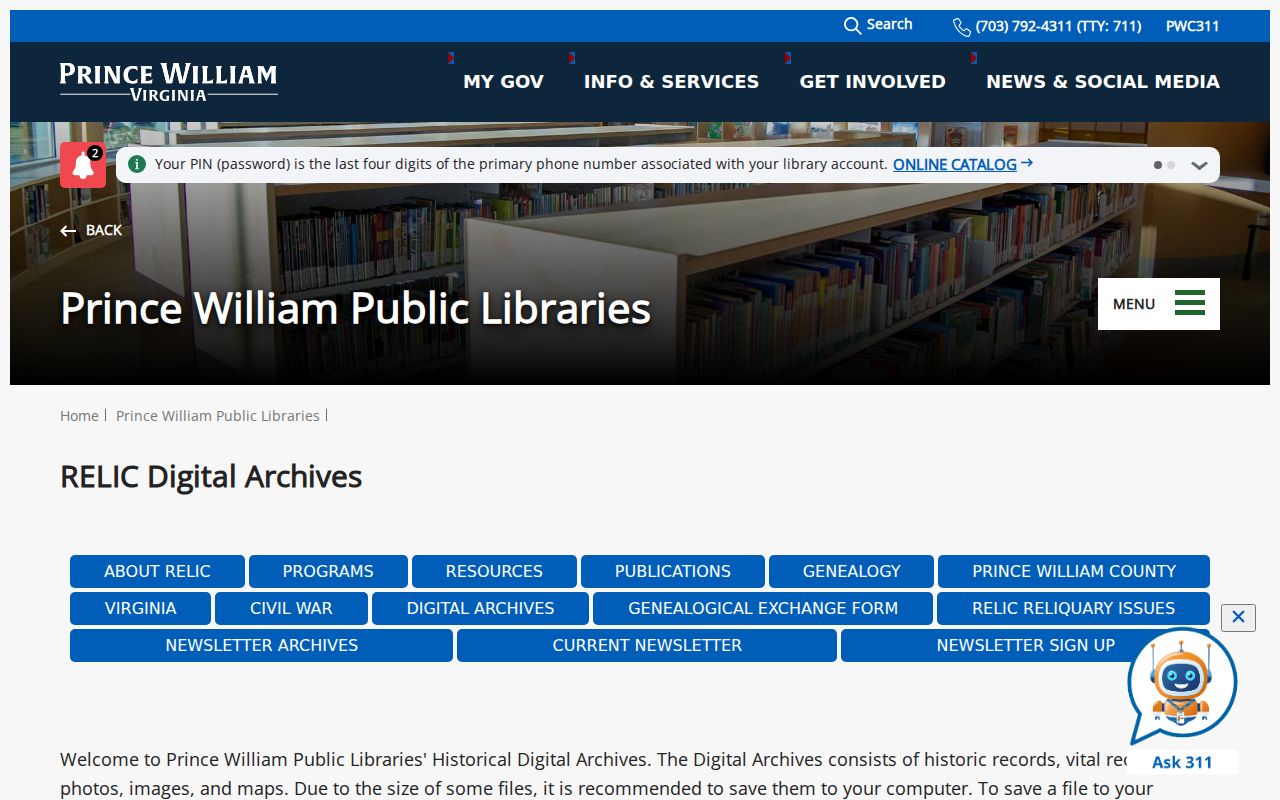
Treat an archive entry as a finding aid. Confirm every land transfer in the deed index and the recorded instrument itself.
Virginia Estate and Vital Clues
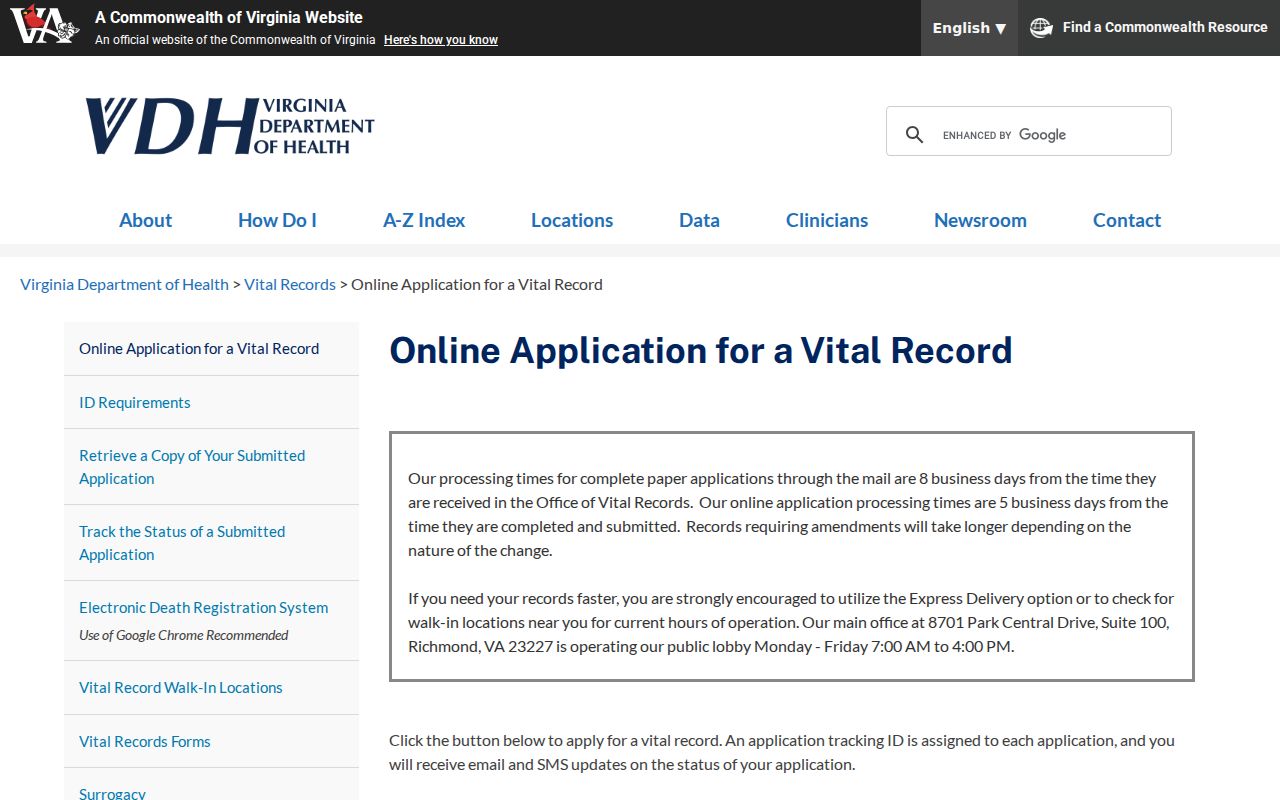
A death certificate can place a former owner in time. It is not a title record. Virginia opens birth records after 100 years. Death, marriage and divorce records become public after 25 years under §32.1-271. Certified copies of current records generally require an eligible requester with identification. The state fee is $15 for a certificate or a search. A complete online application is stated at five business days. Paper processing runs eight business days. The Virginia genealogy index explains its open years and archive access. For a current certificate, the state's application page describes the route.
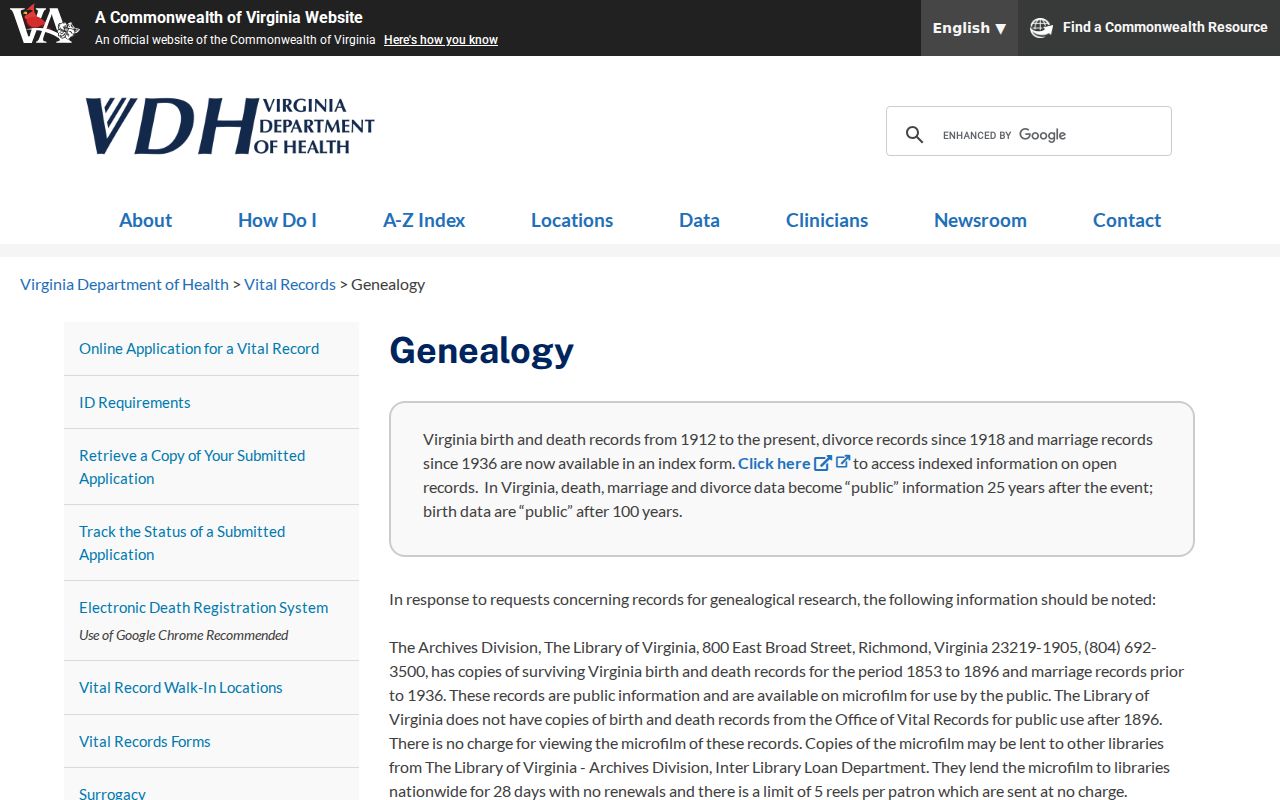
Use vital records for the event lead. Then find the deed or fiduciary instrument that documents the actual transfer. For an eligible current request, the Virginia Office of Vital Records application page lists its online request and processing information.
The deed and fiduciary file, not the certificate, fix the property path.
Prince William Newspaper and Chancery Files
RELIC's Local Newspaper Index covers local stories and obituaries mainly from 1993 forward, with some obituaries reaching back to 1970. The Daily Journal portion covers obituaries only. An estate notice, a sale announcement or a street-change story can surface names and dates worth testing in the Prince William land index. Remember, the index is not the article. Pull the issue or scan for full context. The library's newspaper search works as a local name-and-date finding aid.
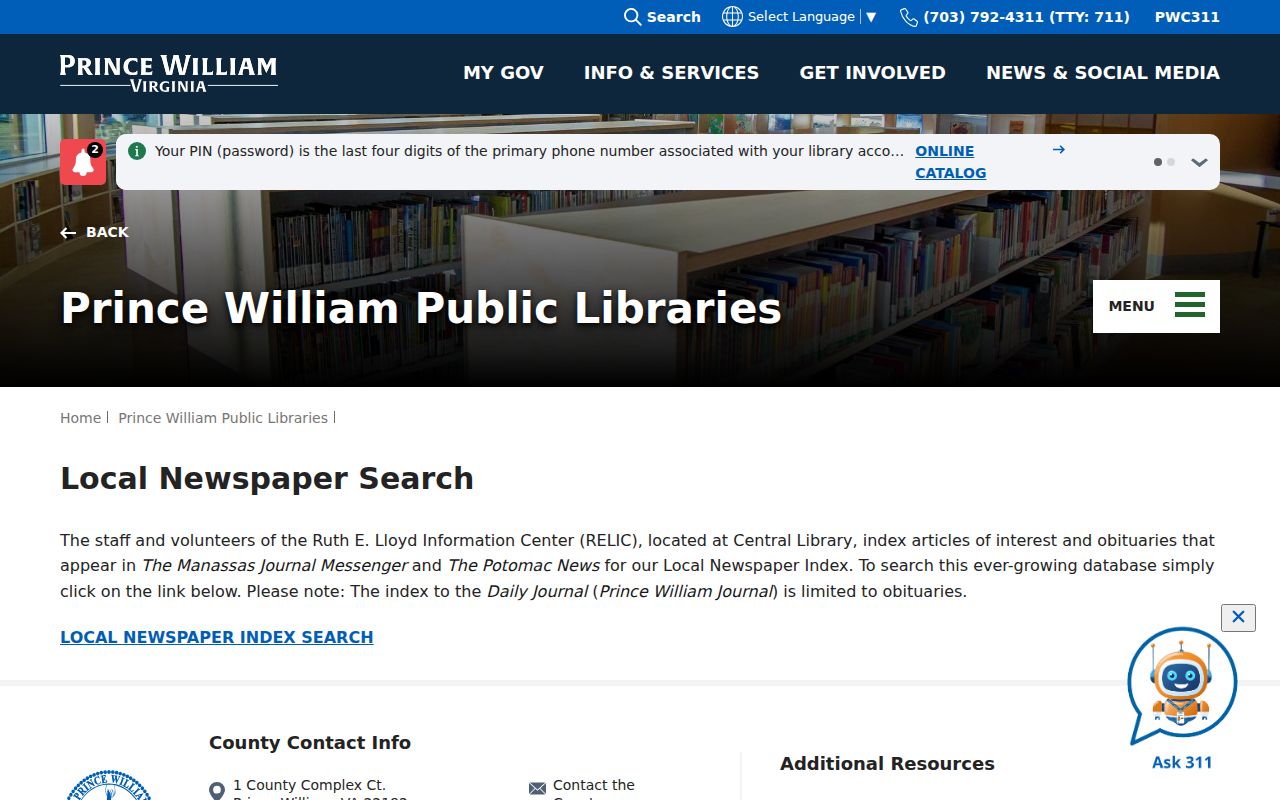
A newspaper clue names the person or estate. The deed supplies the recorded transfer. The Library of Virginia's Prince William chancery collection spans 1804 to 1951, with the bulk between 1831 and 1921. A case file may hold pleadings, exhibits or orders that explain a boundary fight or an inheritance dispute. Search the digitized chancery files by locality and party.
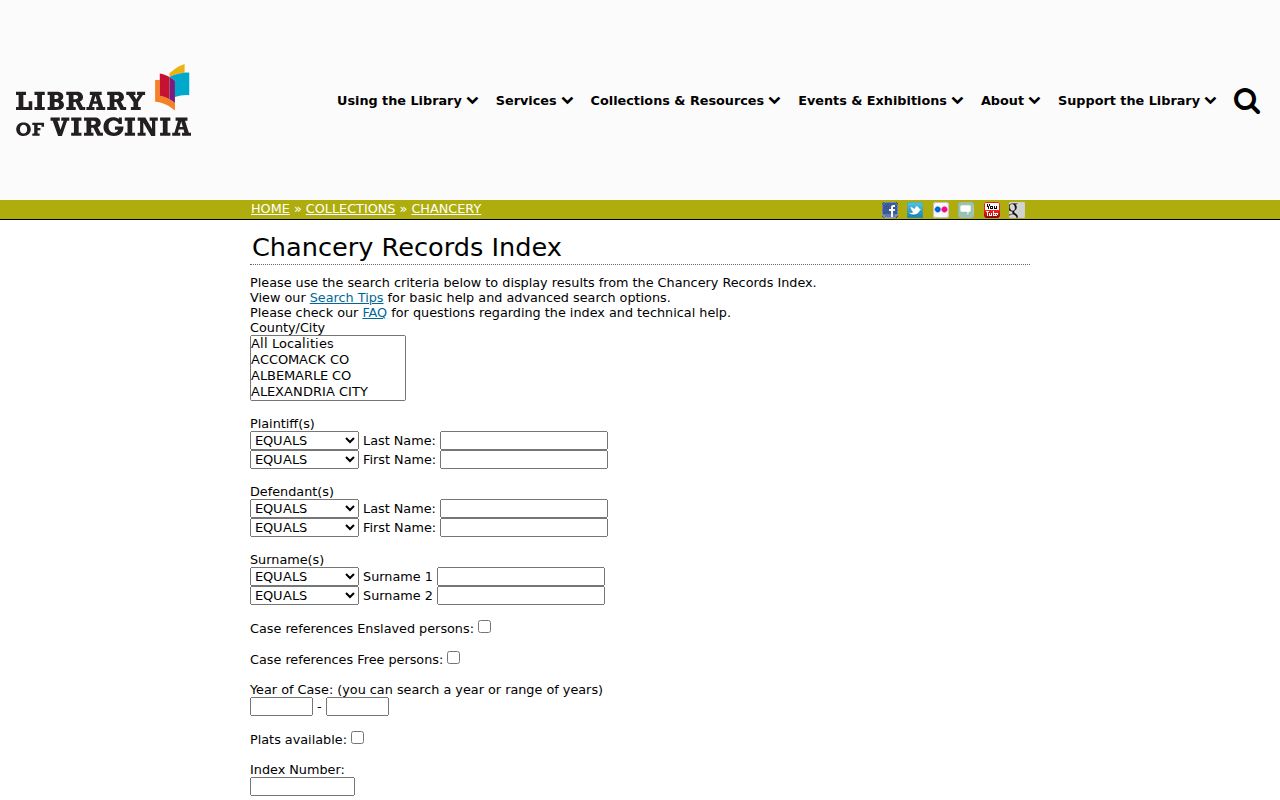
Read the chancery or newspaper case for context first.
Prince William Plats and Old Addresses
An old deed rarely speaks in modern addresses. Instead, it names a subdivision. It names a section, a lot number, metes-and-bounds calls, or the owners of adjoining land. That is the vocabulary of the era, and you have to translate it. Prince William County also keeps its own address quirks in order. Parcel addresses sit apart from premise addresses. The county records street renames along with duplicate or out-of-sequence numbers. The recorded plat is the bridge. Lay it beside the older description. You can tie the land to a modern GPIN. A parent GPIN helps too. It can reveal that a boundary change split off a new parcel. Still, neither number replaces the plat or the deed itself.
Historic Manassas deserves special care. The county seat left Brentsville in 1894. The City of Manassas went independent in 1975. So an older county book may hold a transfer for land inside the city today. Search the locality that held the instrument on its recording date first. Then turn to the present city custodian for current records.
How Far Prince William Owners Go Back
Prince William County's indexed land records reach back to 1732. Go older still and the trail leaves the index. Deed books, microfilm, chancery, probate files, and regional archive collections take over from there. No single online chain of title exists for every parcel. Both names and land descriptions can shift across the centuries. Treat each historical source as a clue. The trail holds until the legal description and the instrument itself line up.
Lawful use. Use prior-owner research for house history, title review and property due diligence. Do not use the names or addresses to track, harass or target a living person.